
To More Inquiry
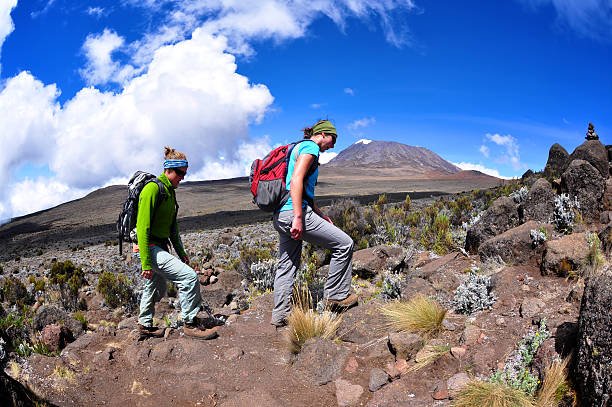
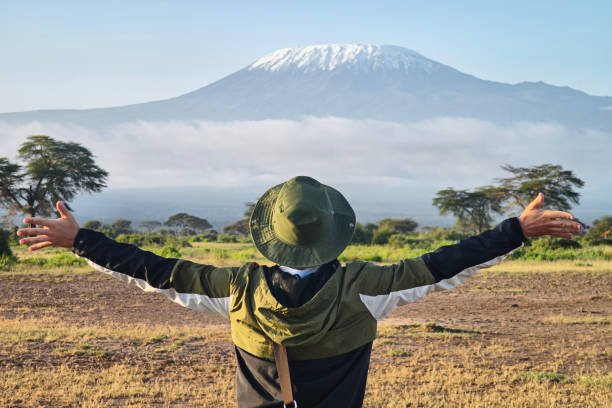
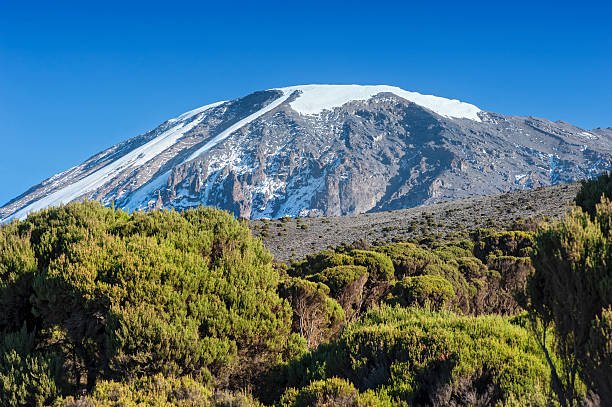
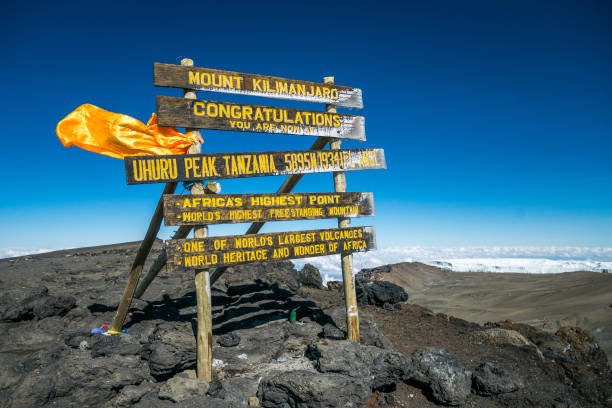
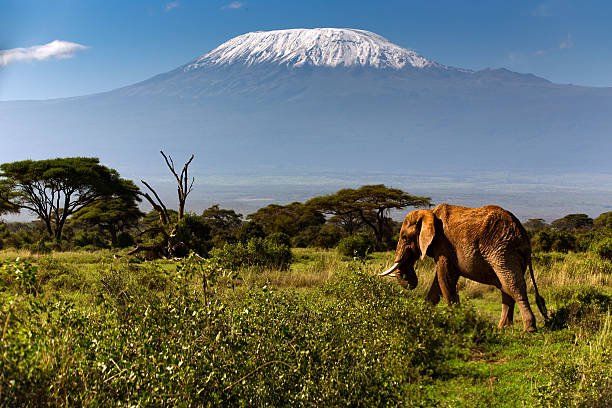
Rising 5,895 meters (19,341 ft) above the plains of Tanzania, Mount Kilimanjaro is not just the “Roof of Africa”-it is the tallest free-standing mountain on Earth. An iconic dormant volcano, it offers a rare opportunity for adventurers to experience five distinct climatic zones in a single journey, traveling from lush tropical rainforests to an Arctic-like summit of snow and ice.
Kilimanjaro is one of the Seven Summits, yet it remains remarkably accessible. Unlike many high-altitude peaks, the climb is a trek, requiring no technical mountaineering skills or specialized climbing equipment. What it does demand is determination, physical fitness, and a strategic approach to acclimatization.
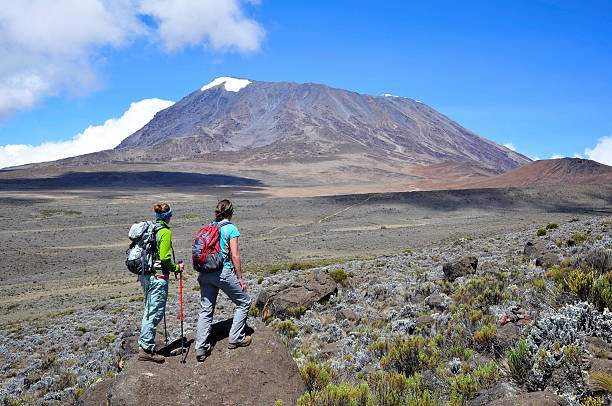
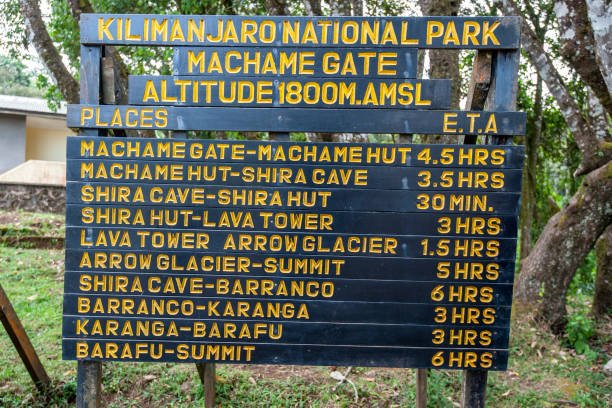
Choosing the right path is the most critical decision for any climber. Each route offers a unique blend of scenery, difficulty, and success rates.
| Route | Duration | Best For… | Key Highlights |
|---|---|---|---|
| Machame | 6–7 Days | Scenery & Success | Known as the “Whiskey Route,” it offers the “walk high, sleep low” advantage for excellent acclimatization. |
| Lemosho | 7–8 Days | Luxury & Solitude | Highly scenic and less crowded, providing a remote approach from the west with premium success rates. |
| Marangu | 5–6 Days | Comfort (Huts) | The “Coca-Cola Route.” It is the only trail featuring permanent hut dormitories instead of camping. |
| Rongai | 6–7 Days | Rainy Season | Approaching from the north, this route is drier and more sheltered, offering a true wilderness feel. |
| Northern Circuit | 9 Days | Maximum Success | The longest and newest route. It circles the mountain for nearly 360-degree views and superior acclimatization. |
While Kilimanjaro can be climbed year-round, the most favorable conditions occur during the two dry seasons
Price on request
To receive our best monthly deals