
For More Inquiries
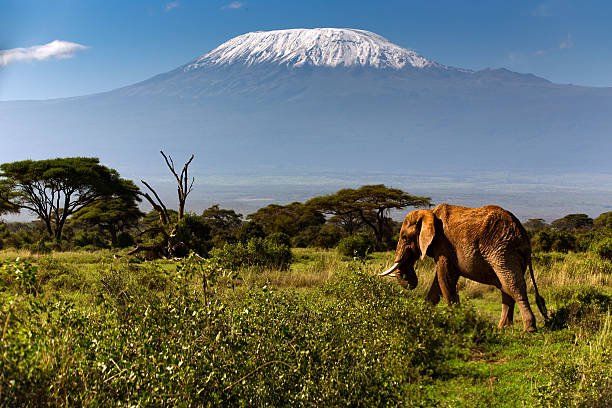
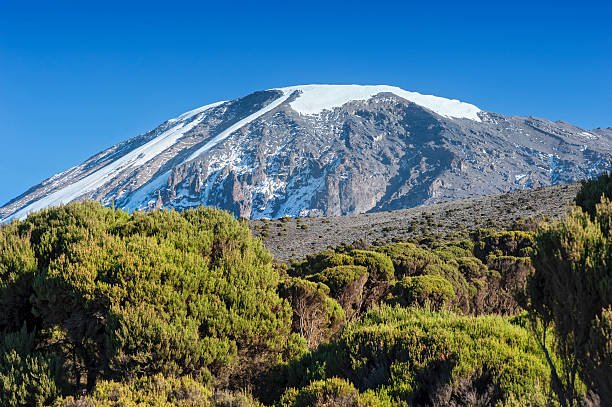
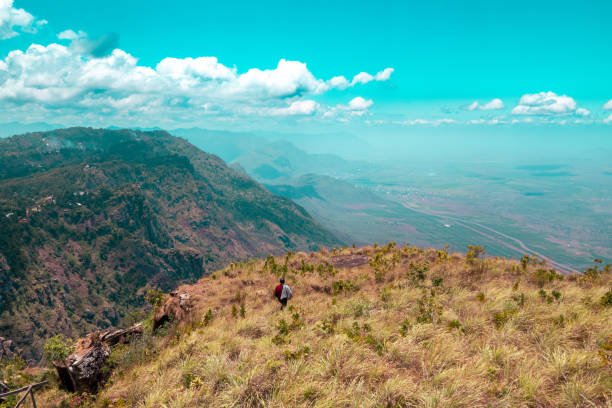
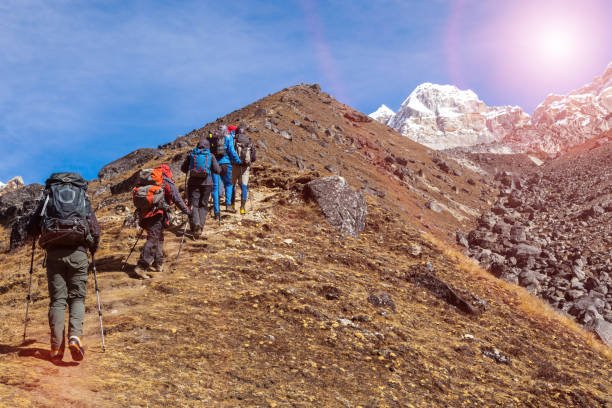
Experience the ultimate adventure on the Rongai Route, the only trail that approaches Mount Kilimanjaro from the north. This route offers a unique perspective of the mountain, quieter trails, and a more gradual ascent, providing excellent acclimatization and breathtaking views of both Kibo and Mawenzi peaks.
You begin with a drive from Moshi to the Nale Moru Gate, approximately 3 hours by road. After completing park registration, the hike begins through thick montane forest. The forest is home to colobus monkeys, buffalo, and a wide variety of birdlife. The trail is well-shaded and the gradient is manageable. As you gain elevation, the forest gradually thins and the first open moorland views appear. You arrive at Simba Camp in the late afternoon, set up for dinner and your first night on the mountai
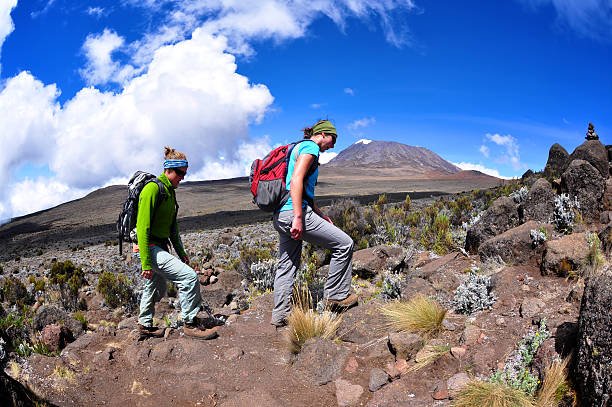
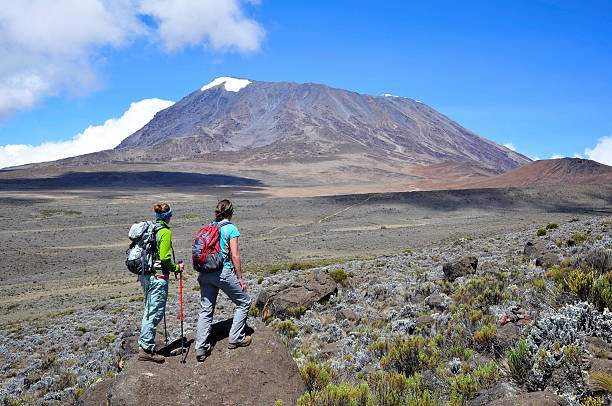
This is a longer day with more variety in terrain. The trail departs from the standard Rongai path and heads southeast across open moorland toward the jagged towers of Mawenzi peak. The landscape opens up significantly and you begin to see Kibo's snow-capped dome in the distance. Around midday you reach Second Cave, a natural rock shelter used historically by climbers. You stop here for a hot lunch with one of the best views on the route, Kibo directly ahead and Mawenzi rising sharply to the east. After lunch, the trail continues for another 3 hours across heather moorland to Kikelewe Camp, a sheltered site with good tent platforms and clear skies.
A shorter but steep day. The trail climbs directly toward the base of Mawenzi peak, gaining significant elevation in a short distance. The vegetation becomes sparse as you enter the alpine desert zone. You arrive at Mawenzi Tarn, a small glacial lake sitting in a rocky cirque beneath the sheer cliffs of Mawenzi. The setting is dramatic and remote. Few climbers on other routes ever reach this area. The afternoon is free for rest, light exploration around the tarn, and acclimatization. Your guide will check your oxygen saturation and heart rate using the oximeter.
You spend a full day at the tarn. In the morning, your guide leads a 2 to 3 hour acclimatization hike to a higher elevation point before returning to camp for hot lunch and rest. The principle is simple: climb high, sleep low. The repeated exposure to altitude stimulates your body to produce more red blood cells and hemoglobin, increasing your oxygen-carrying capacity. This day directly improves your chances of reaching the summit. The afternoon is spent resting, eating, hydrating, and mentally preparing for the summit push ahead. The tarn reflects the cliffs of Mawenzi on clear days and the silence at this altitude is total.
Today you cross the Saddle, the wide plateau connecting Mawenzi and Kibo. The terrain here is unlike anything you have passed through so far. It is flat, barren, and almost completely without vegetation. The altitude and landscape combine to create a surreal environment that many climbers describe as lunar. Kibo grows larger with every step. The wind on the Saddle is often cold and strong, so layering is important. You arrive at Kibo Hut, a stone building that serves as the last rest point before the summit. The remainder of the afternoon is for eating, hydrating, and sleep. Your wake-up call for the summit push comes at midnight.
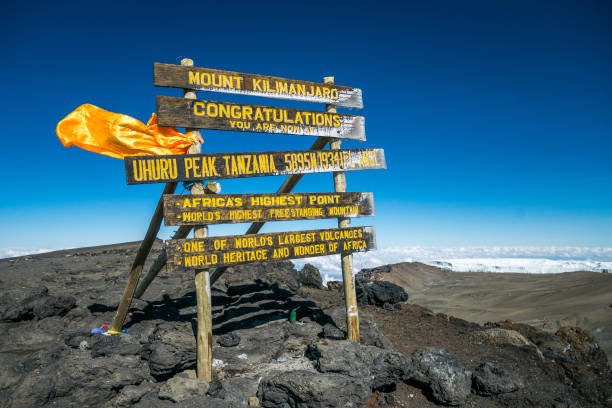
This is the longest and most demanding day of the climb. You wake at midnight, layer up in your warmest gear, and begin the ascent by headlamp. The trail switchbacks steeply up loose volcanic scree toward Gilman's Point on the crater rim at 5,681m. The cold at this altitude is severe and the pace is deliberately slow. Your guide sets a steady rhythm. From Gilman's Point you follow the crater rim southwest to Uhuru Peak, the highest point in Africa at 5,895m. Summit time is typically just before or around sunrise, and the views across the continent on a clear morning are extraordinary. After photographs and a moment to absorb the achievement, the descent begins immediately. You descend through Kibo Hut, collect your gear, and continue all the way down to Horombo Huts. It is a long, tiring day but the descending altitude brings immediate physical relief.
The final day is a long descent through changing vegetation zones. You pass back through alpine moorland, then heath, and finally into the lush forest near the gate. The trail is well-worn and the pace is relaxed. At Marangu Gate you receive your official summit certificate from the park authority, a permanent record of the achievement. Transport returns you to Moshi for a hot shower, a meal, and rest.
Reserve your ideal trip early for a hassle-free trip; secure comfort and convenience!
To receive our best monthly deals