
For More Inquiries
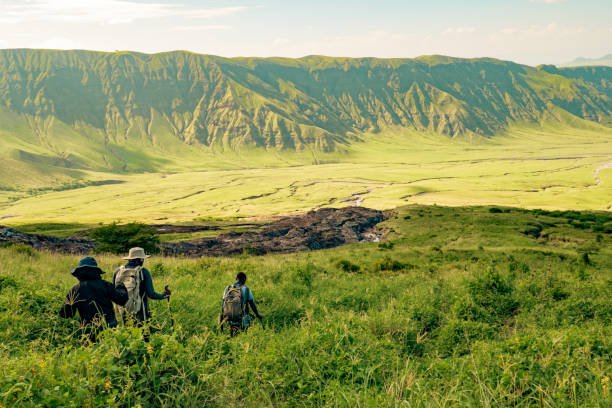
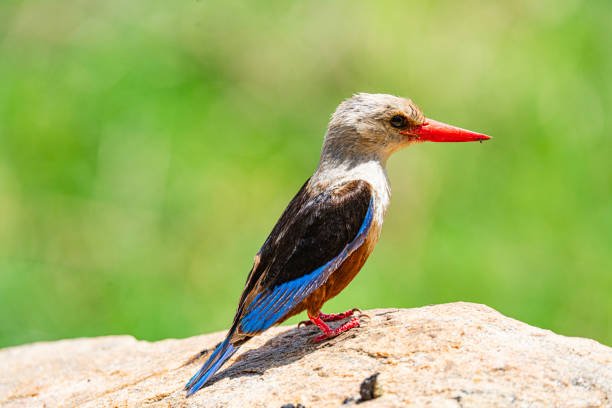

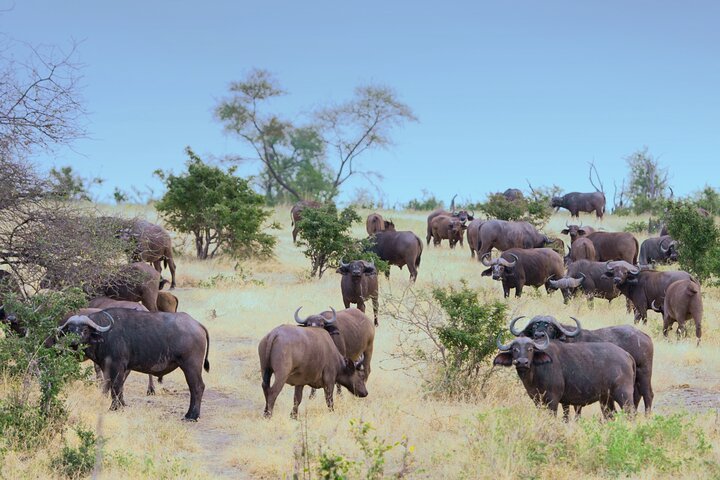
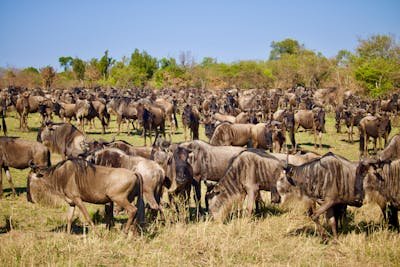
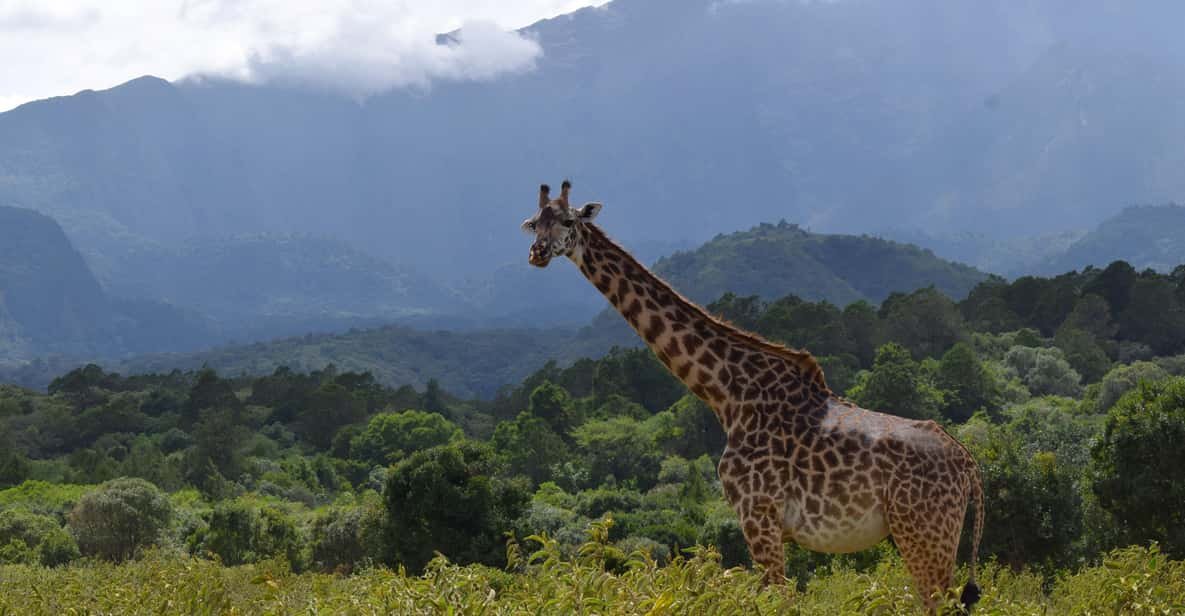
This 4-day safari covers three of Tanzania’s most iconic destinations in one route. You start in Tarangire, known for its elephant herds and ancient baobab trees. You move into the Serengeti, the largest savanna ecosystem in East Africa. You finish in the Ngorongoro Crater, a UNESCO World Heritage Site and home to the highest density of large mammals on earth. Each park offers a different landscape and a different wildlife experience.
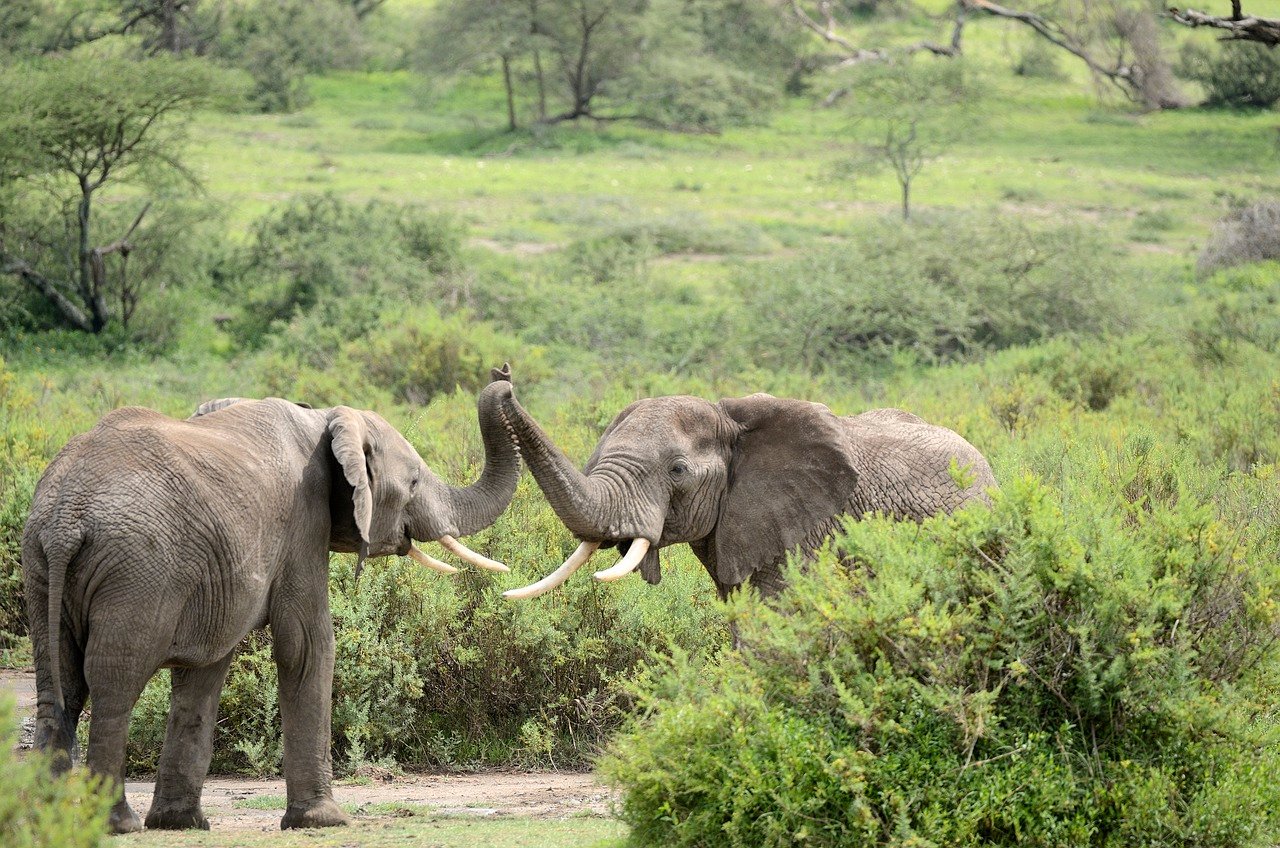
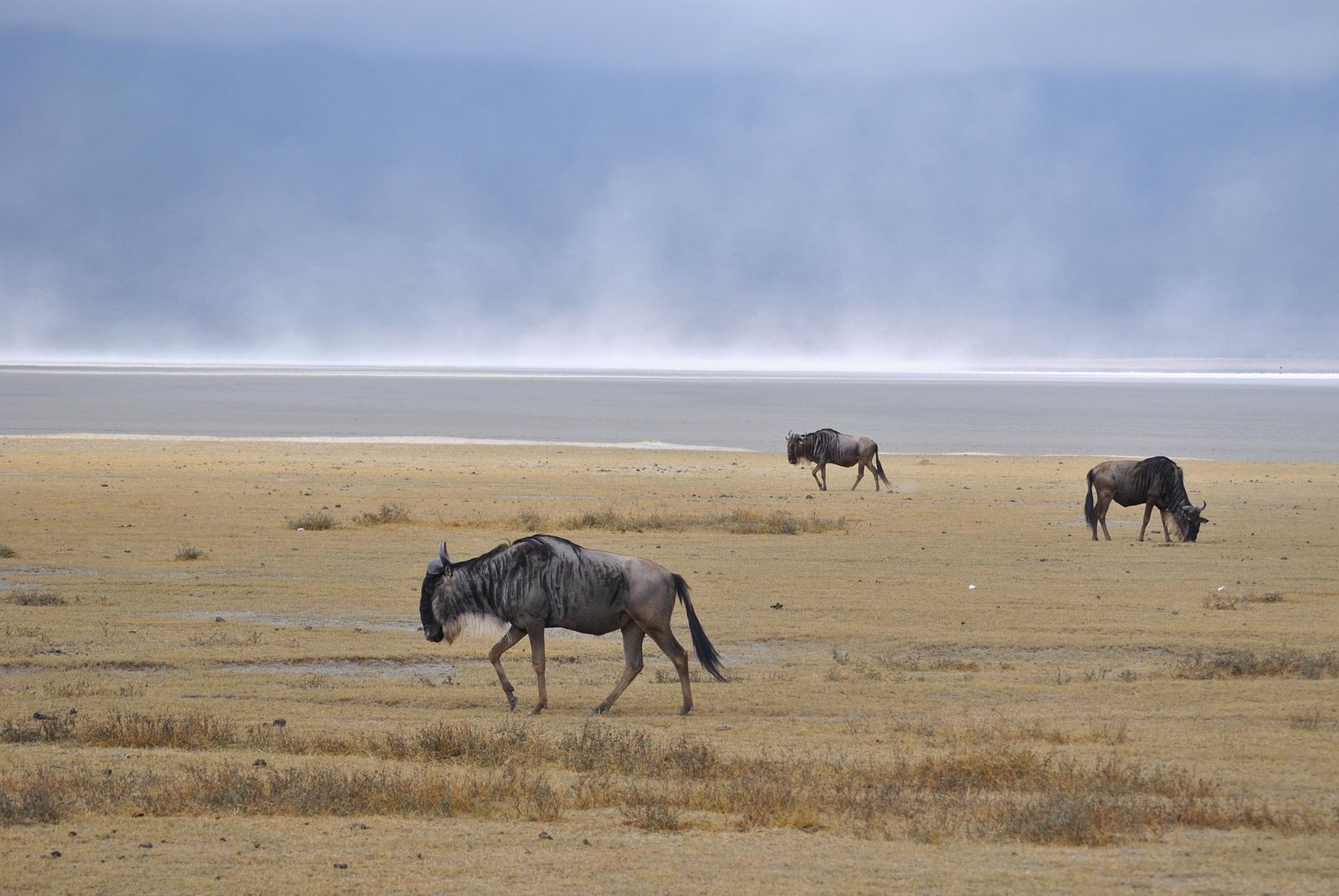
Drive south toward Tarangire National Park, arriving in time for a full game drive. Tarangire is one of Tanzania's most underrated parks. The Tarangire River attracts enormous elephant herds, particularly between July and October, and the landscape of giant baobabs and open woodland sets it apart from any other park in the country. You will also find large populations of wildebeest, zebra, buffalo, and impala. Predators, including lions and leopards, follow the game. Picnic lunch inside the park. Late afternoon drive to Karatu for dinner and overnight rest.
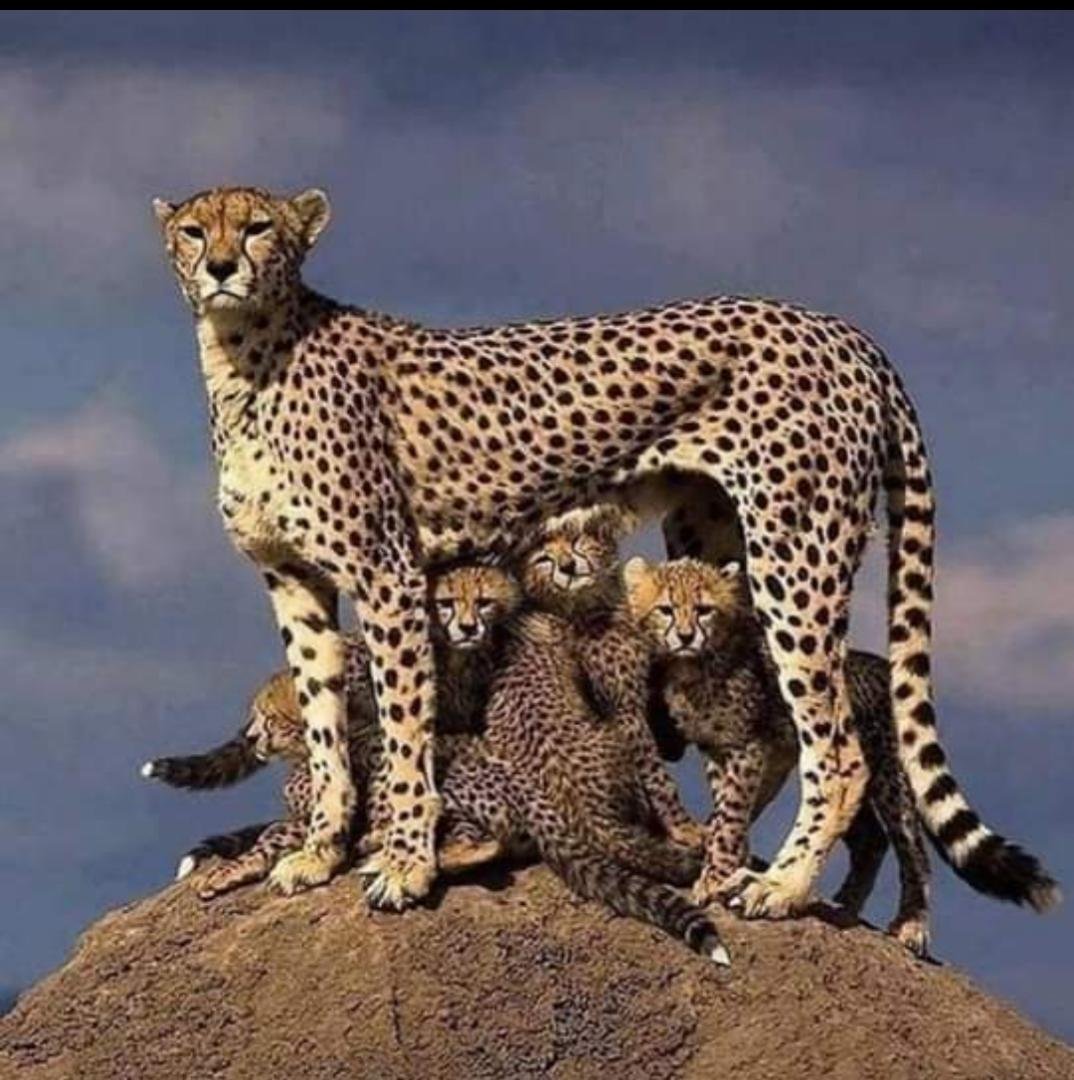
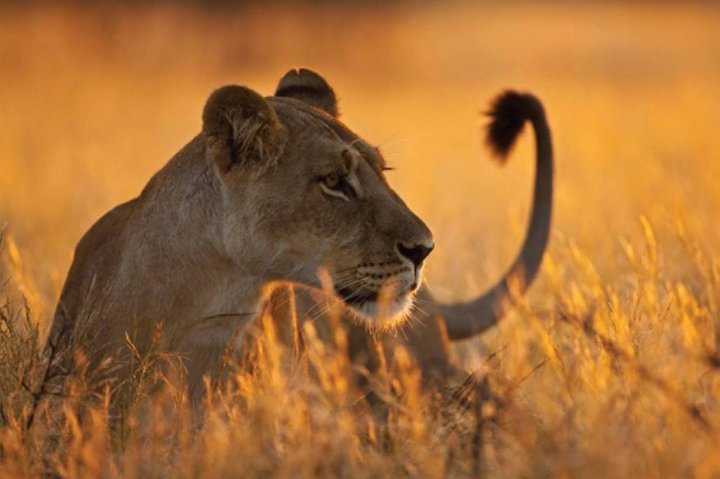
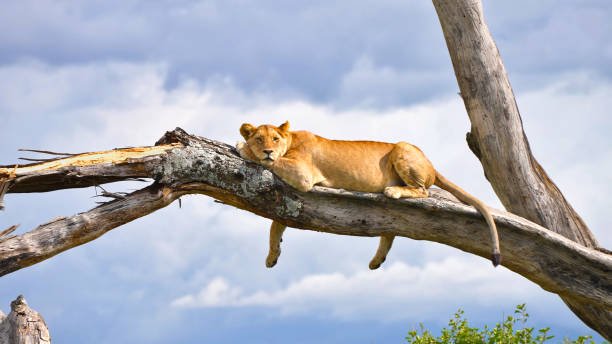
Early breakfast before departing Karatu. The drive takes you through the lush Ngorongoro highlands, a fertile crater rim region with sweeping views. You enter the Serengeti through the Naabi Hill Gate and immediately understand the scale of this place. The Serengeti covers 14,763 sq km of open savanna. Afternoon game drive focuses on the central Seronera region, one of the best year-round wildlife areas in the park. Large prides of lions, leopards resting in acacia trees, and resident cheetahs make this zone consistently rewarding.
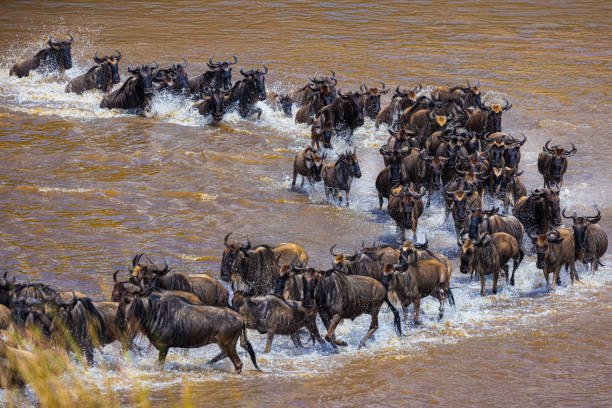
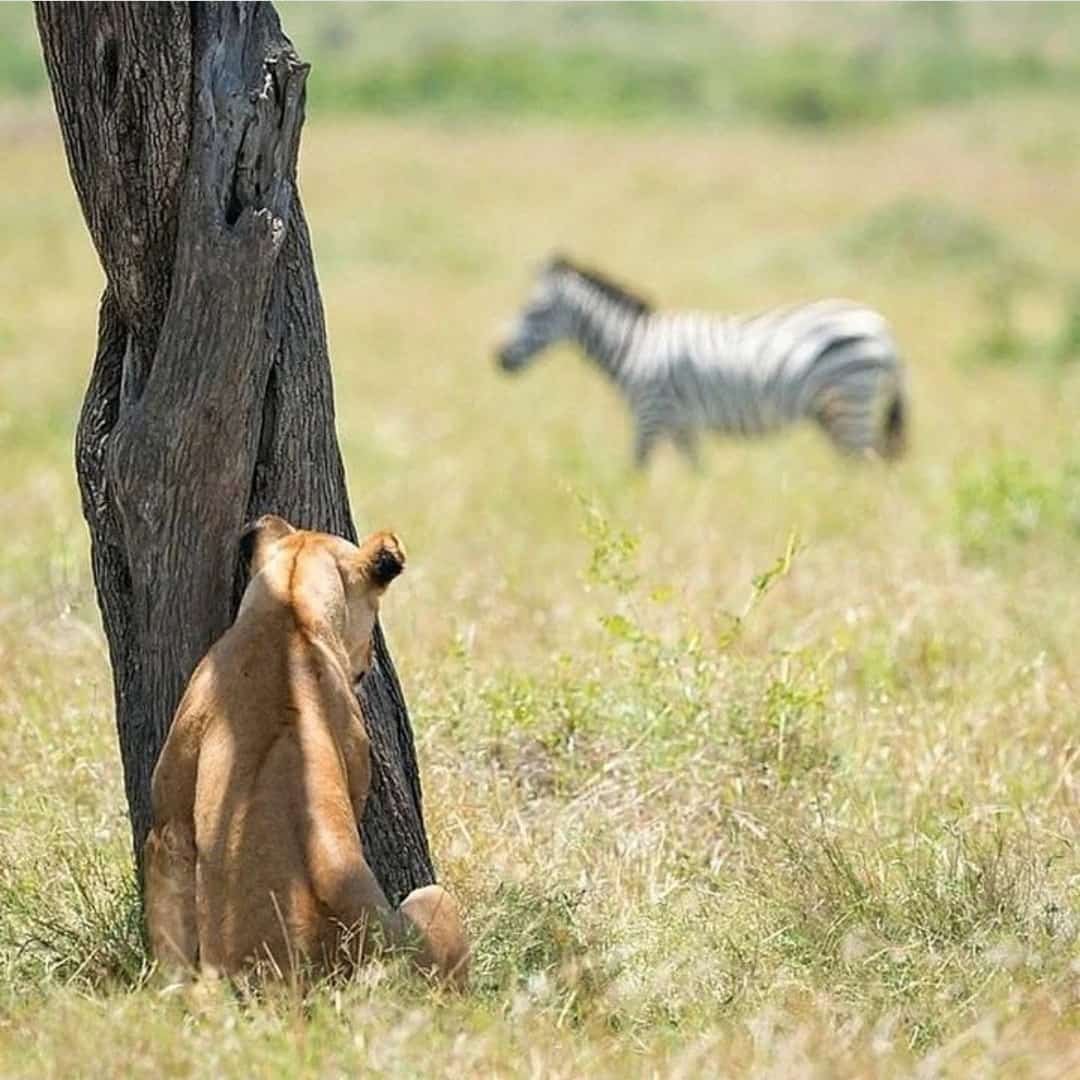
A full morning game drive in the Serengeti before departing. Morning hours are the most productive for sightings. Predators are active, and the light is at its best for game viewing. Expect lions, cheetahs, elephants, giraffes, zebras, and wildebeest. If you are visiting between June and October, there is a strong possibility of witnessing the Great Migration, one of the largest animal movements on earth with over 1.5 million wildebeest crossing the plains. Afternoon drive to the Ngorongoro Conservation Area. The rim sits at 2,300 meters above sea level and temperatures drop significantly in the evening.
Early breakfast before the descent. The Ngorongoro Crater is 19 km wide and 600 meters deep. Roughly 25,000 large animals live permanently inside it. The crater floor holds open grassland, a soda lake, swamp areas, and forest patches, each supporting different species. You have a strong chance of spotting all of the Big Five here. The black rhino population inside the crater is one of the most protected in Africa. Flamingos gather in large numbers around Lake Magadi. Hippos rest in the wallows near the Mandusi Swamp. Picnic lunch inside the crater before the ascent. Afternoon drive back to Arusha, arriving in the early evening.
Reserve your ideal trip early for a hassle-free trip; secure comfort and convenience!
To receive our best monthly deals